


Spray Nozzles and Dust Suppression
Dust suppression refers to the techniques and measures employed to control and reduce the amount of airborne dust particles in a particular environment. Dust can be generated from various sources, such as construction sites, mining operations, agricultural activities, and industrial processes.
The primary goal of dust suppression is to minimise the negative impacts associated with airborne dust, which include health hazards, environmental pollution, reduced visibility, equipment damage, and safety risks.
There are several methods commonly used for dust suppression:
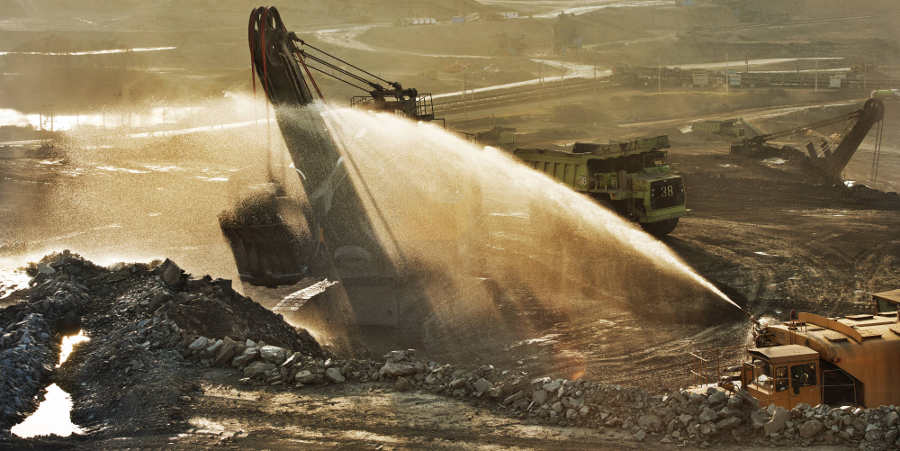
Water is often used to suppress dust by spraying it onto dusty surfaces or into the air. This method can be applied through sprinkler systems, water cannons, misting nozzles, or handheld hoses. The water droplets help weigh down the dust particles, causing them to settle or be less prone to becoming airborne.
Chemical additives can be applied to dust-prone areas to control dust. These suppressants can be in the form of foams, surfactants, or binding agents. They work by either binding the dust particles together or preventing them from becoming airborne.
Creating physical barriers or enclosures around dust-generating activities helps prevent dust from spreading into the surrounding environment. This approach is commonly used in construction sites or industrial facilities where dust-producing processes occur.
Proper ventilation systems can be implemented to capture and remove dust particles from the air. This method is particularly useful in indoor environments where dust control is essential, such as manufacturing plants or workshops. Air filtration systems, including dust collectors and filters, can help trap and remove dust particles from the air.
Planting vegetation or using ground cover materials, such as gravel or mulch, can help stabilise soil and prevent dust generation. The plant cover acts as a barrier, reducing wind erosion and keeping the soil particles in place.
Dust control can also be achieved by modifying equipment and machinery to minimise dust emissions. This may involve using dust collection systems, installing covers or enclosures, or implementing engineering controls to capture dust at the source.
Choosing the appropriate dust suppression method depends on factors like the specific situation, the type of dust, and the scale of the operation. Compliance with industry regulations and guidelines ensures effective dust management and control.
By implementing these dust suppression techniques, industries can create cleaner and safer working environments while minimising the negative impacts associated with airborne dust.
Spray Nozzles play their part
Spray nozzles play a crucial role in dust suppression systems by distributing water or dust suppressant liquids effectively and efficiently. They are designed to generate fine water droplets or mist, which helps in capturing and suppressing airborne dust particles.
Here’s how spray nozzles contribute to dust suppression:
Spray nozzles are engineered to atomize water or dust suppressant liquids into small droplets, typically in the range of tens to hundreds of microns. These fine droplets have a larger surface area, allowing them to interact more effectively with dust particles. The increased contact area enhances the binding and settling of dust, preventing it from becoming airborne.
Spray nozzles are strategically placed in dust-prone areas to ensure optimal coverage and distribution of the suppressant material. They are designed to disperse the liquid evenly, ensuring that all target surfaces are adequately treated. By providing uniform coverage, spray nozzles maximise the effectiveness of dust suppression measures.
Spray nozzles can sometimes offer a adjustable spray pattern and angle. This flexibility allows operators to customise the spray according to the specific requirements of the dust suppression application. Different spray patterns, such as flat fan, full cone, or misting, can be selected based on factors like the size and shape of the area, the density of dust, and the desired reach of the spray.
Spray nozzles can be designed to operate at different pressures and flow rates. This enables operators to regulate the amount of liquid being sprayed, ensuring optimal dust suppression while minimising water consumption. By adjusting the pressure and flow, the size and intensity of the spray can be controlled to suit the dust control needs.
Spray nozzles are engineered with specific designs to enhance their performance. They are constructed from materials that are resistant to clogging, corrosion, and wear, ensuring reliable and durable operation. Different nozzle types, such as hydraulic, air-assisted, or ultrasonic, are available to cater to various dust suppression requirements.
Spray nozzles can be integrated into automated dust suppression systems, where they are controlled by sensors, timers, or remote systems. This automation allows for precise and timely activation of the spray, optimising dust control measures and reducing manual intervention.
By generating fine droplets, providing uniform coverage, and offering adjustable parameters, spray nozzles contribute significantly to effective dust suppression. Proper selection, placement, and maintenance of spray nozzles, along with the use of appropriate dust suppressants, help achieve efficient dust control in various industries and applications.
